Automating Blog Posts: From Client Call to Published Article
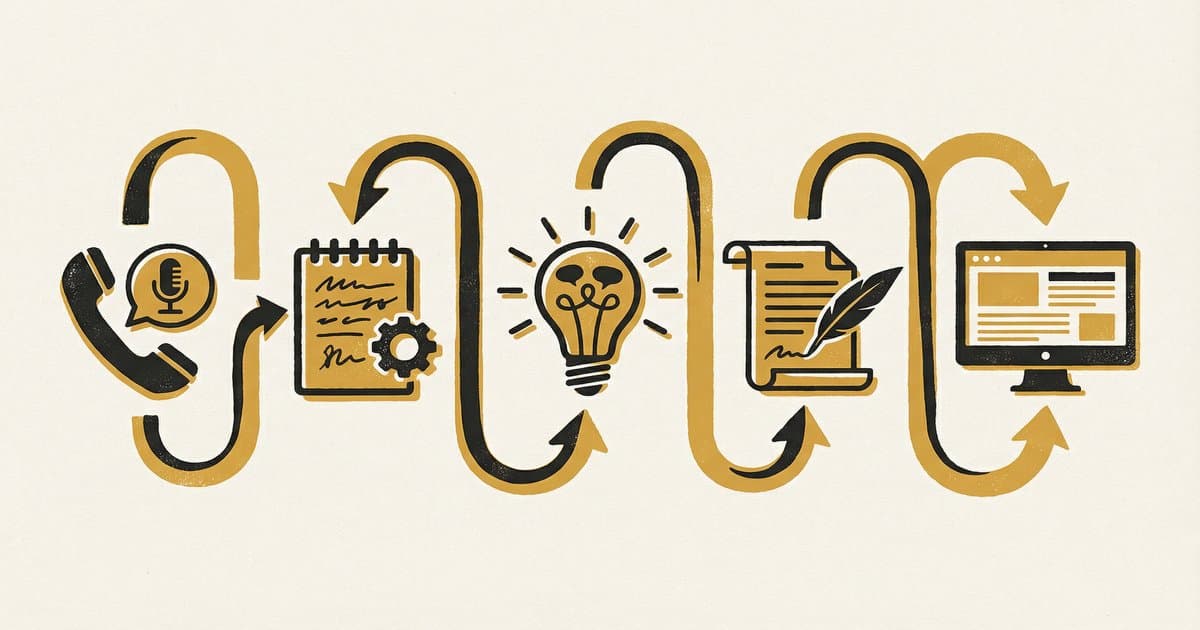
From client call to published article. Automated.
We built a pipeline that turns client calls into published blog posts automatically. Gemini takes notes, Cursor extracts topics, generates content in the client's voice, creates Google Docs for review, and publishes on approval — replacing five traditional marketing roles with one person overseeing AI.
One of the most powerful automations we've built doesn't involve a single line of code that a human wrote. It turns client conversations into published blog posts with minimal manual intervention.
The Pipeline
Stage 1: The Call We get on a call with a client. Google Gemini automatically takes notes, generates a summary, identifies key topics, and suggests follow-up actions. These notes appear as a Google Doc within minutes of the call ending.
Stage 2: Topic Extraction Cursor reads the meeting notes (via Google Drive MCP) and extracts potential blog topics. It considers the client's expertise, their target audience, and what questions their customers commonly ask.
Stage 3: Content Generation For each approved topic, Cursor generates a full blog post. It knows the client's voice because we've documented their style, tone, and common phrases in the project's docs folder — the same save your prompts habit we teach. It knows the technical blog format because the MDX structure is already defined.
Stage 4: Client Review Cursor creates a Google Doc for each draft and shares it with the client for review. The client edits directly in Google Docs -- a tool they already know.
Stage 5: Publication When the client approves, Cursor reads the edited Google Doc, converts it to MDX format, and publishes it to the website. Optionally, it can generate audio narration and schedule social media promotion.
The secret to this pipeline working well is documentation. Before building the automation, spend time documenting the client's voice, their preferred topics, their audience, and their content guidelines. This documentation is what makes the AI's output feel human and on-brand.
Why This Matters
Traditional content marketing requires a content strategist, a writer, an editor, a web developer, and a social media manager. Five people, multiple handoffs, and weeks per article.
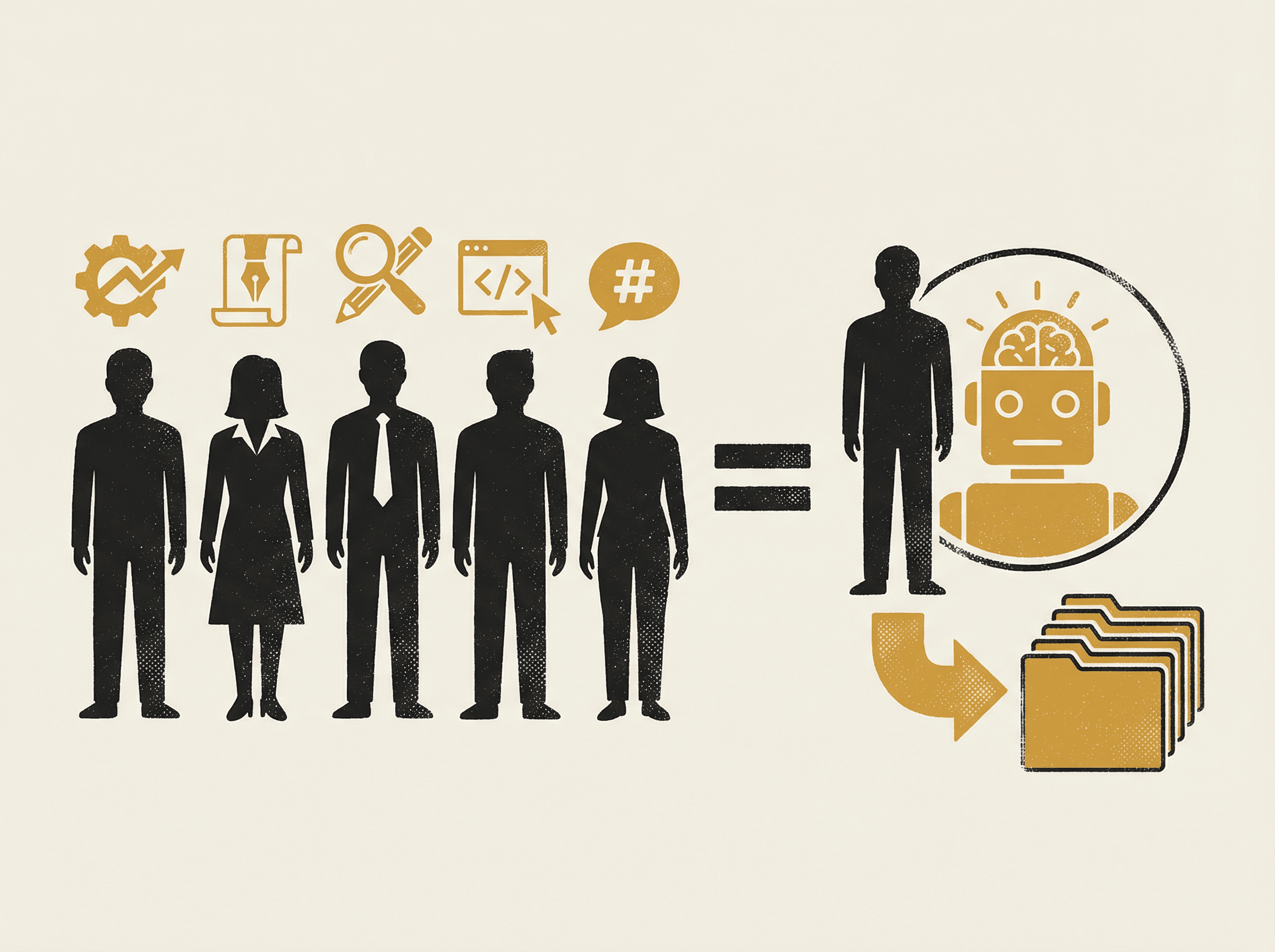
Five roles. One person. Same output.
This pipeline handles the same workflow with one person overseeing AI at each stage. The same approach powers how we send marketing emails in 6 minutes. The human provides creative direction and final approval. The AI handles everything else.
Eliminating Coordination Costs
The real expense in traditional marketing isn't the work itself. It's the coordination. Meetings to discuss topics. Email threads about drafts. Slack messages about publication dates. Status updates about what's done and what's pending.
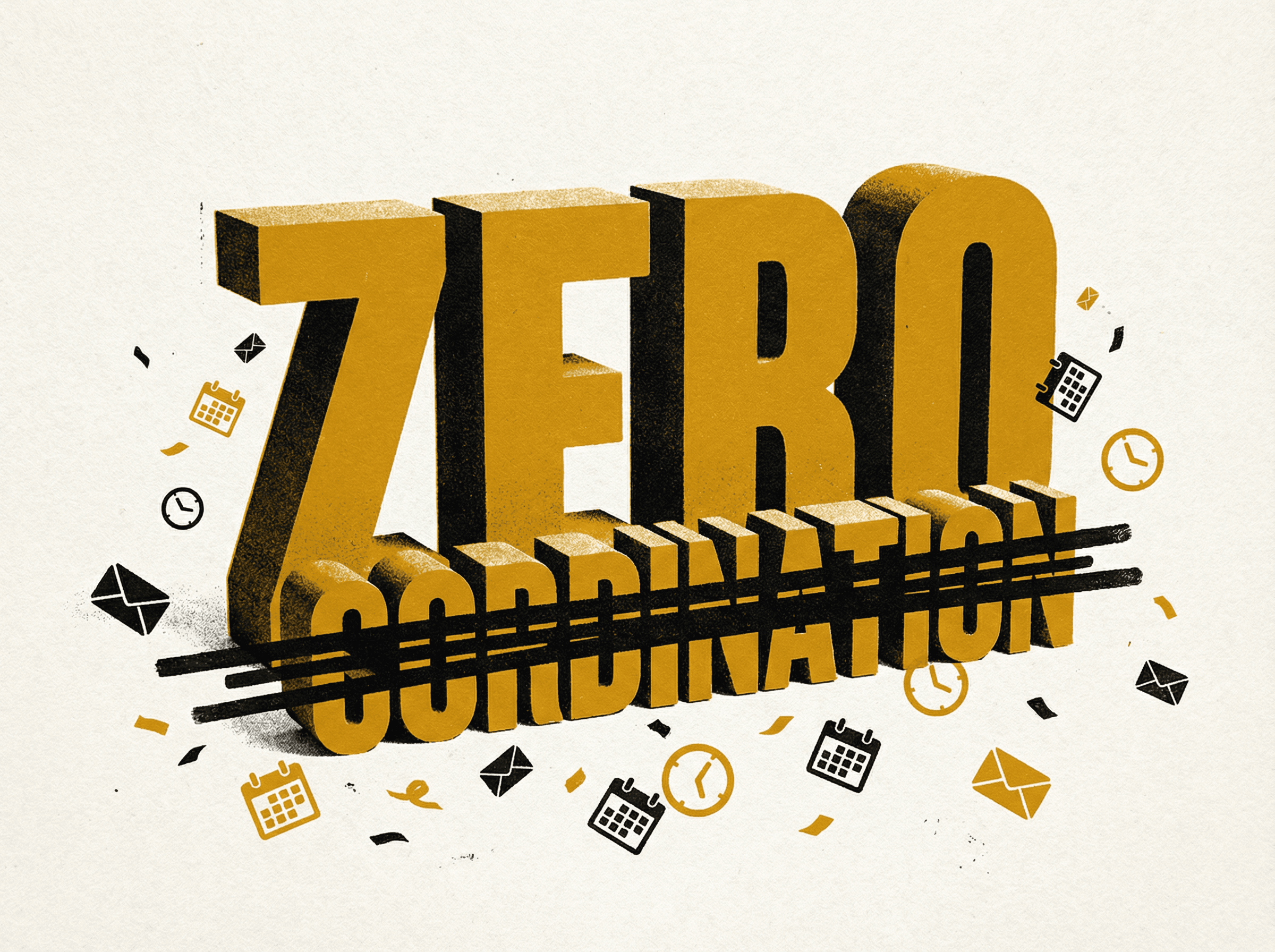
Zero coordination. Nothing to coordinate.
AI eliminates coordination costs because there's nothing to coordinate. One person, one tool, one conversation. The AI doesn't need a meeting to understand the brief. It reads the documentation and starts working.

Chris Johnston
Chris Johnston is the founder of PostScarcity AI and The Vibe Jam. Former development agency leader who managed 8 agile teams for venture-backed clients. Now teaching non-technical people to build with AI through vibe coding. Book a free Vibe Check to get started.
More About Chris Johnston