Save Your Prompts, Update Them Forever
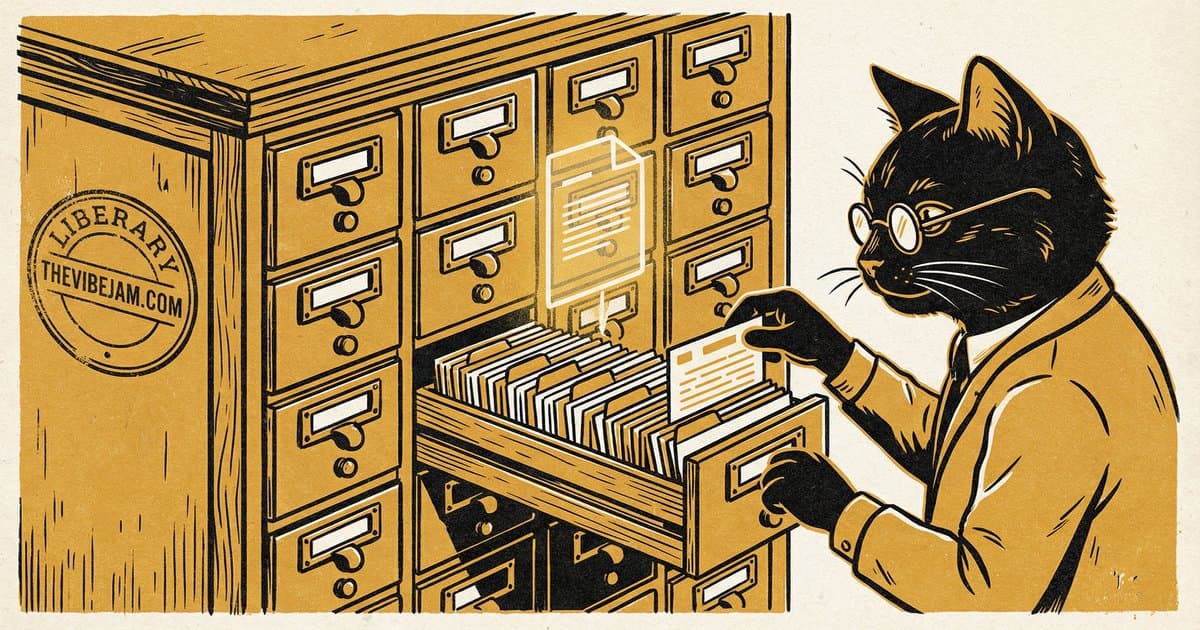
Your prompt library is your competitive advantage.
Save every prompt that works. Update prompts when you find better approaches. Store them in your project's docs folder as markdown files. This recursive documentation habit is what turns inconsistent AI outputs into reliable, first-try results — and it compounds over time.
When we first started vibe coding, we ran into bugs constantly. The AI would misunderstand intent, generate broken code, and require hours of debugging.
Now we almost never see bugs. The AI didn't change. Our documentation did. This is the code is liquid principle in action.
The Documentation Habit
Every time a prompt produces great results, we save it. Not in a notes app that we'll forget about. In the project itself, in a docs folder, as a markdown file.
Every time we find a better way to phrase something, we update the saved prompt. Every time we discover a new pattern or learn from a mistake, it goes into documentation.
This creates a compound effect. Each project starts with the accumulated knowledge of every previous project. The AI reads this documentation and produces better output from the first prompt.
What Should You Document in Your Prompt Library?
- Prompts that work: The exact phrasing that got the result you wanted
- Context patterns: How you describe your project's style, architecture, and goals
- Lessons learned: What went wrong and how you fixed it
- Rules and constraints: Things the AI should always or never do
Create a file called RULES.md in your project's docs folder. List every convention, preference, and constraint you've discovered. The AI reads this file and follows the rules. Over time, this file becomes your project's operating manual.
Recursive Updating
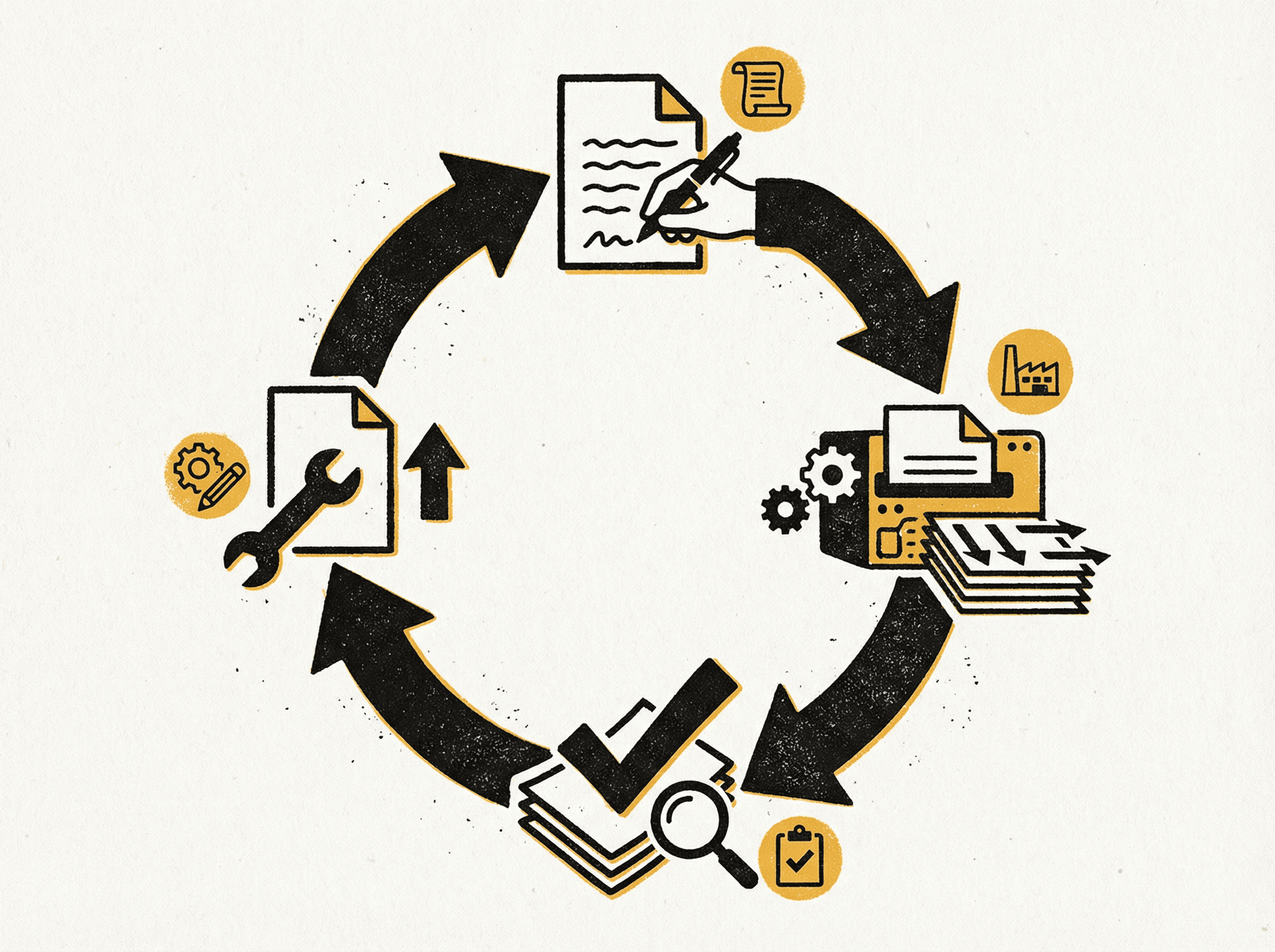
Write. Use. Evaluate. Update. The loop never stops.
The key word is recursive. You don't write documentation once and forget it. You treat it like a living document that gets better every single day.
Found a better way to generate blog posts? Update the blog generation prompt. Discovered that a certain phrase prevents a common bug? Add it to the rules. Learned that the AI works better when you give it a specific date? Document it.
The Payoff
After a few months of this practice, something shifts. You stop fighting with the AI. Combined with a well-written PRD, your builds become remarkably consistent. Prompts that used to take five attempts work on the first try. New features that used to take hours take minutes.
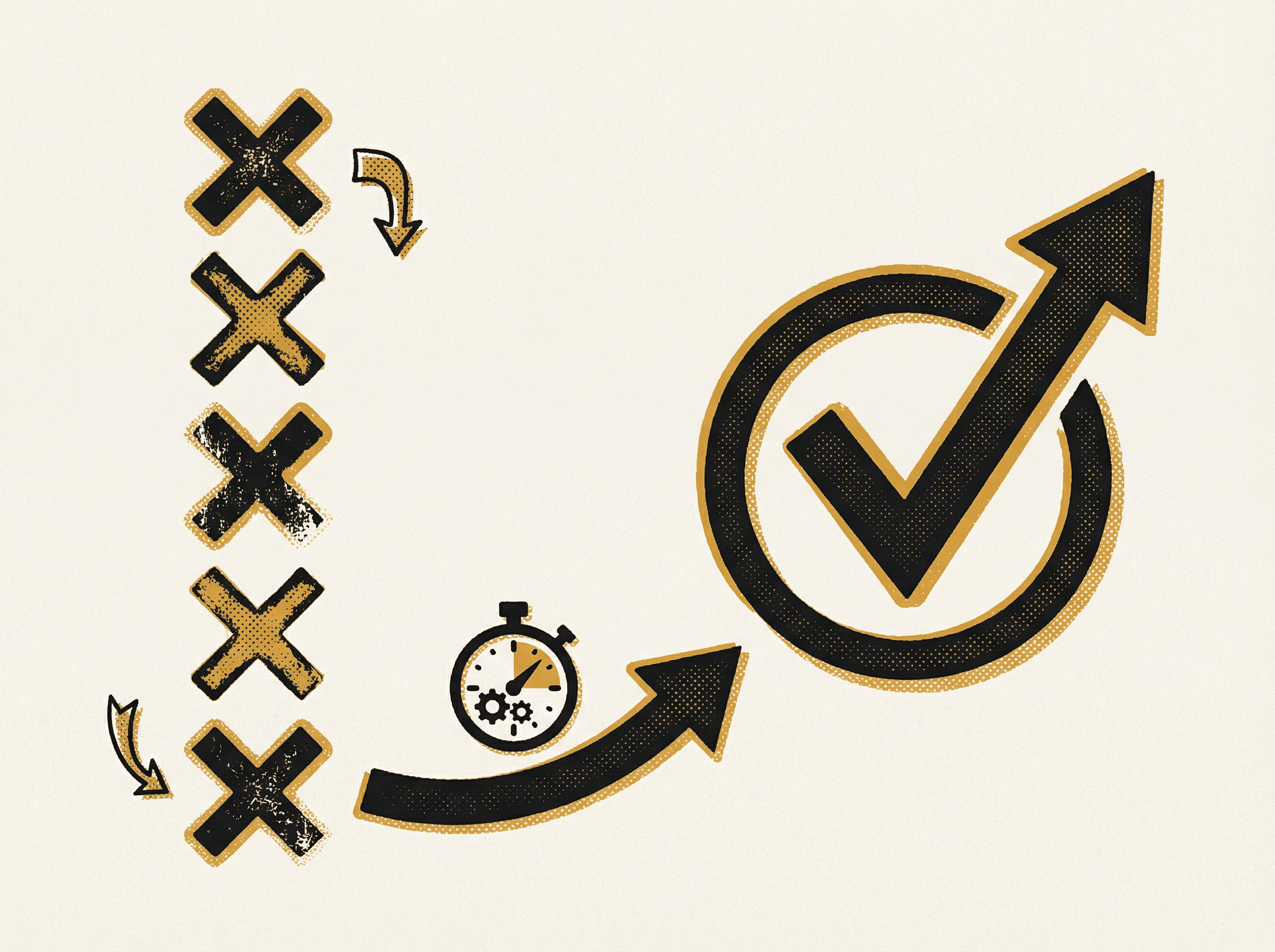
What used to take five attempts now works on the first try.
Not because you got smarter. Because your documentation did.

Chris Johnston
Chris Johnston is the founder of PostScarcity AI and The Vibe Jam. Former development agency leader who managed 8 agile teams for venture-backed clients. Now teaching non-technical people to build with AI through vibe coding. Book a free Vibe Check to get started.
More About Chris Johnston