Building an Online Radio Station in One Vibe Jam Session
From zero to deployed radio station in under an hour.
During a live Vibe Jam session, we built and deployed an online radio station with a bubble interface in under an hour — from concept to PRD to working application. The AI handled product management, design decisions, and engineering. No traditional development team involved.
During a Vibe Jam session, we set ourselves a challenge: build an online radio station from scratch, live, in front of the group.
Not a playlist app. An actual discovery platform with a unique interface, sampling capability, and the foundation for a recommendation engine.
The Process
Step 1: Define the concept. We wanted something called RadioBubble -- a visual interface where music tracks appear as floating bubbles. Single click samples a track. Double click opens the full playlist. Think less Spotify, more art installation.
Step 2: Technical reality check. The AI told us upfront that a constant streaming radio station wouldn't work on Vercel (our preferred deployment platform) because Vercel isn't a traditional backend. So we pivoted to a discovery-focused experience instead of live streaming.
Step 3: Generate the PRD. We asked the AI to write a Product Requirements Document. The first version was too complex -- system architecture, event collectors, Kafka backend. We asked for a simpler one focused on the MVP.
Step 4: Build in V0. Pasted the simplified PRD into V0 and let it generate the application. We ran competing builds with different themes to compare outputs.
Step 5: Deploy and share. Published a working version to a live URL and shared it in the chat. Bubbles, music, and all.
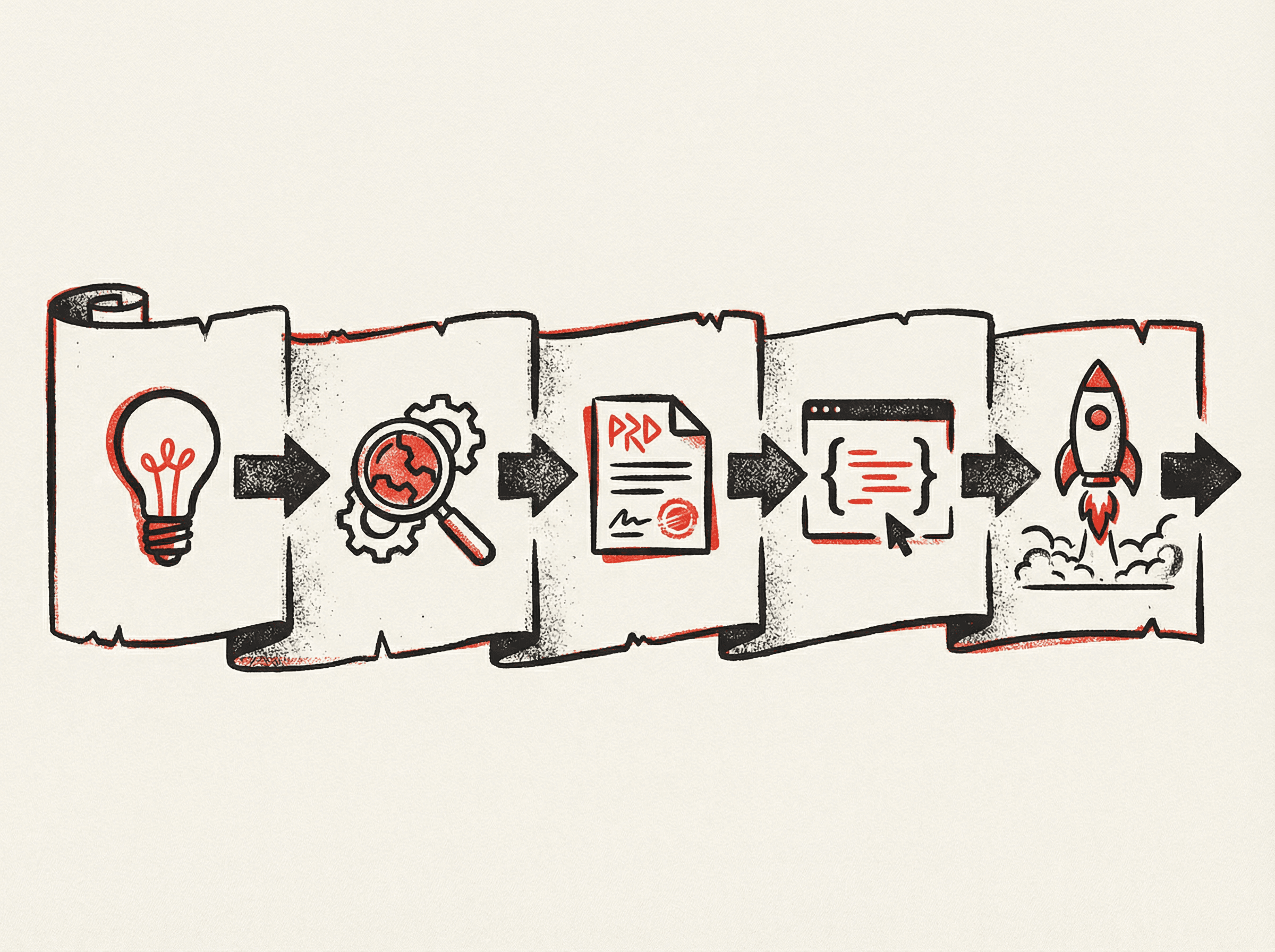
Idea. Reality check. PRD. Build. Deploy. All in one session.
When the AI's first PRD is too complex, don't try to simplify it yourself. Ask the AI: "Give me a simpler version focused only on the MVP." It will strip away the scope creep and give you something buildable.
What We Learned
The AI handled not just the engineering but the product management and design decisions. When we asked about future recommendation engines, it outlined both user-preference-based and audio-analysis-based approaches.
One participant pointed out that spending more time on research and finding visual references would improve the output quality. That's true for everything in vibe coding: the more context you give, the better the result.
Errors Happened
The first build hit some infinite loops and errors. It happens. One community member suggested using ChatGPT to rewrite the initial prompt for better articulation. Another recommended always including the current date in prompts to prevent the AI from using outdated libraries.
Errors happen. You pick them up and keep going.
These are the kinds of practical tips that emerge from building together in real-time. It's why we always say to save your prompts and update them forever.

Chris Johnston
Chris Johnston is the founder of PostScarcity AI and The Vibe Jam. Former development agency leader who managed 8 agile teams for venture-backed clients. Now teaching non-technical people to build with AI through vibe coding. Book a free Vibe Check to get started.
More About Chris Johnston