What is a Token? AI Jargon You Actually Need to Know
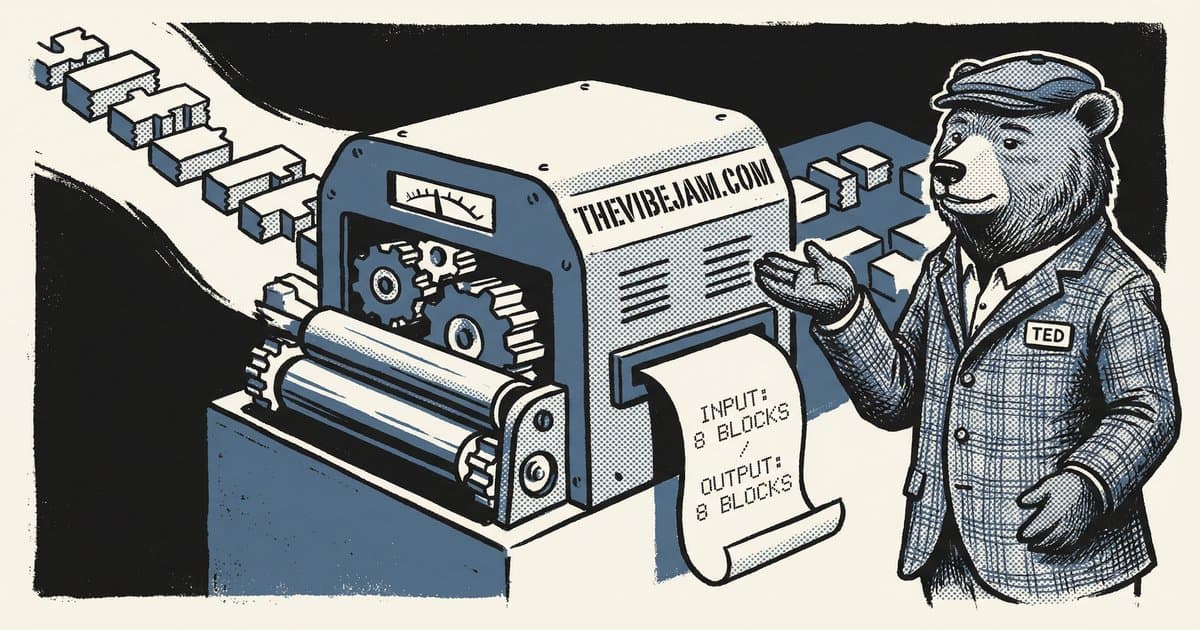
Text goes in as tokens. Results come out as tokens. You pay for both.
A token is a small piece of text — roughly a word or part of a word — that AI processes. You pay for input tokens (what you send) and output tokens (what AI generates). A typical paragraph costs about 50-100 tokens. Understanding tokens helps you manage costs and choose the right AI model for each task.
AI jargon can make simple concepts sound intimidating. Let's fix that, starting with the most fundamental unit of AI: the token.
What a Token Is
A token is a small piece of text -- roughly a word or part of a word. When you send a message to an AI, it breaks your text into tokens, processes them, and generates a response in tokens.
"The quick brown fox" is about 4 tokens. A typical paragraph is about 50-100 tokens. A full blog post might be 500-1,000 tokens.
You pay for tokens. Input tokens (what you send) and output tokens (what the AI generates). More tokens = more cost.
Why Do Tokens Matter?
Understanding tokens helps you in two ways:
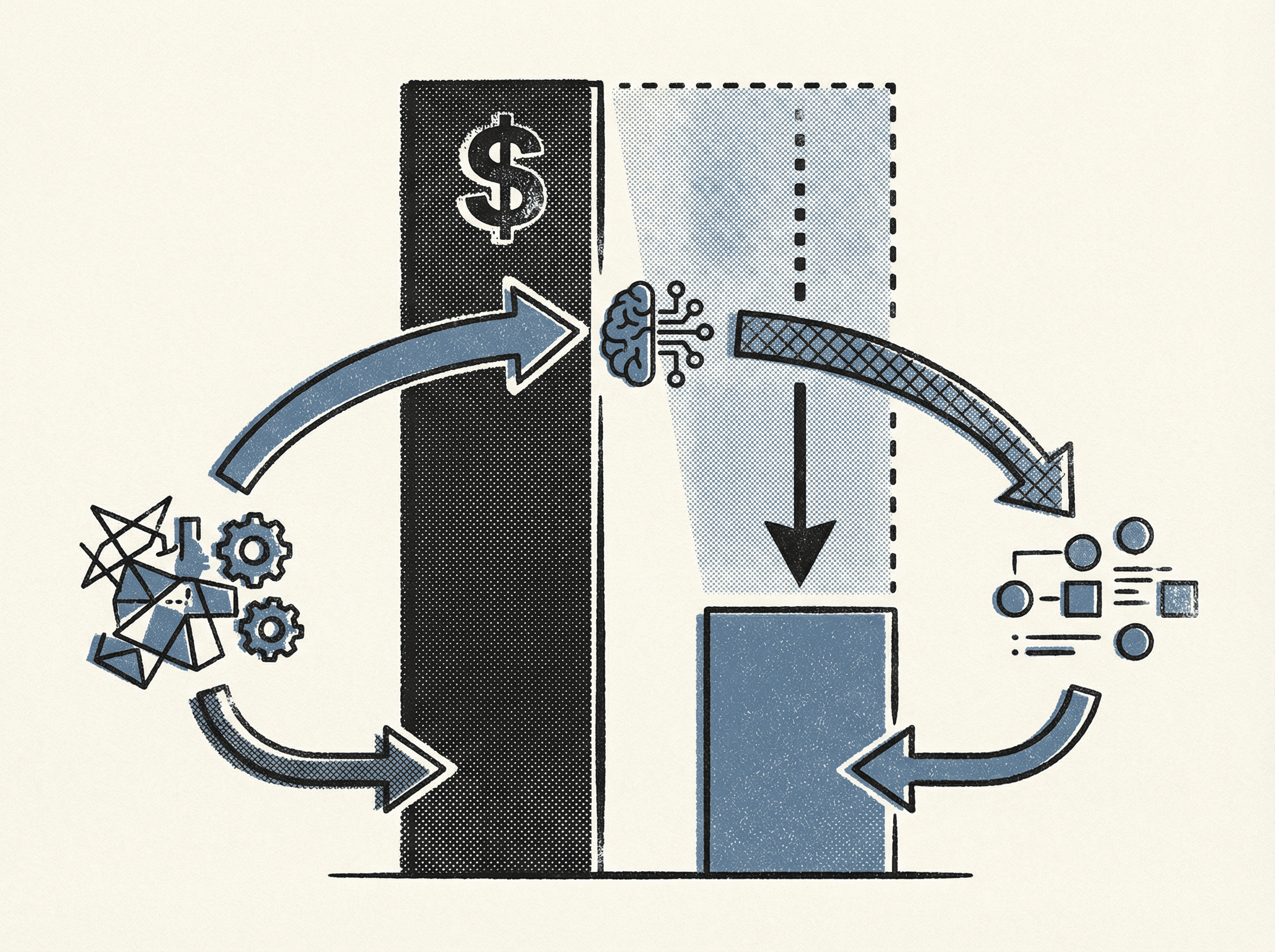
Expensive model for hard problems. Cheap model for everything else. Save 60-70%.
1. Cost management. Different AI models charge different amounts per token. Claude's Sonnet model is cheaper per token than Opus. GPT-4 costs more than GPT-3.5. Knowing this lets you choose the right model for the job -- use the expensive model for complex tasks and the cheap model for simple ones.

The context window is finite. Oldest memories fall out first.
2. Context windows. Every AI model has a maximum number of tokens it can process in a single conversation. If your conversation exceeds the context window, the AI starts "forgetting" earlier parts. Knowing this helps you structure prompts efficiently.
For daily tasks like writing, editing, and brainstorming, use a cheaper model (Sonnet, GPT-4o-mini). Save the expensive models (Opus, GPT-4) for complex reasoning tasks, code generation, and anything requiring deep analysis. This simple habit can cut your AI costs by 60-70%.
Other Terms Worth Knowing
Model: The specific AI system you're talking to (GPT-4, Claude Sonnet, Gemini). Different models have different strengths.
Prompt: The text you send to the AI. Better prompts = better results.
Context window: How much text the AI can "remember" in a conversation. Measured in tokens.
Hallucination: When the AI generates confident-sounding information that's wrong. Always verify important facts.
MCP (Model Context Protocol): A system that lets AI connect to external tools like email, databases, and websites.
Agentic: AI that takes actions in the real world (sending emails, writing files) rather than just generating text. See The Agentic OS for where this is heading.
The Free Tier Reality
Most AI tools offer free tiers with limited tokens. This is enough to learn, experiment, and build small projects. When you start using AI seriously for work, expect to spend $20-$100/month depending on usage.
For reference, one of the things we say at The Vibe Jam: spending $500/month on AI tools is worth it because the return in productivity is enormous. Ready to try? Here's what you need for your first session. But you don't need to start there. Start free, and scale when the value is obvious.

Chris Johnston
Chris Johnston is the founder of PostScarcity AI and The Vibe Jam. Former development agency leader who managed 8 agile teams for venture-backed clients. Now teaching non-technical people to build with AI through vibe coding. Book a free Vibe Check to get started.
More About Chris Johnston