The SaaS Reckoning
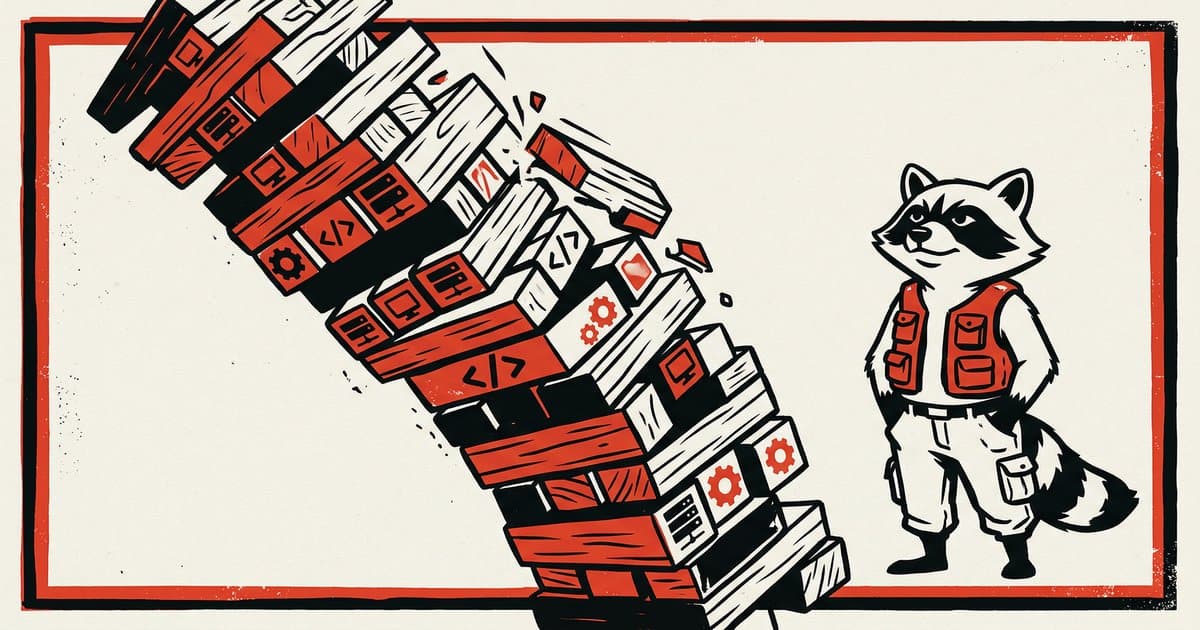
The stack is tipping.
Software as a Service made billions by doing something that used to be hard: putting databases in the cloud and wrapping them in pretty interfaces. Salesforce is a Rolodex. MailChimp is a form that sends emails. These aren't complicated things anymore. AI can generate a full CRM in minutes. The SaaS companies that survive are the ones whose value lives in infrastructure -- not interface. Twilio thrives. MailChimp dies. Small businesses build their own.
Let me tell you the real story of Salesforce.
In 1999, Marc Benioff had an idea: put a Rolodex in the cloud. Let salespeople track their contacts, log their calls, and manage their pipeline from a web browser instead of a desktop app.
That was it. A Rolodex. In the cloud.
It was genuinely hard to do in 1999. Cloud infrastructure barely existed. Building a reliable web application that could handle enterprise data was a serious engineering challenge. Salesforce solved real problems and earned its place.
But that was twenty-seven years ago. And now they charge $300,000 a year for it.
The Cloud Rolodex
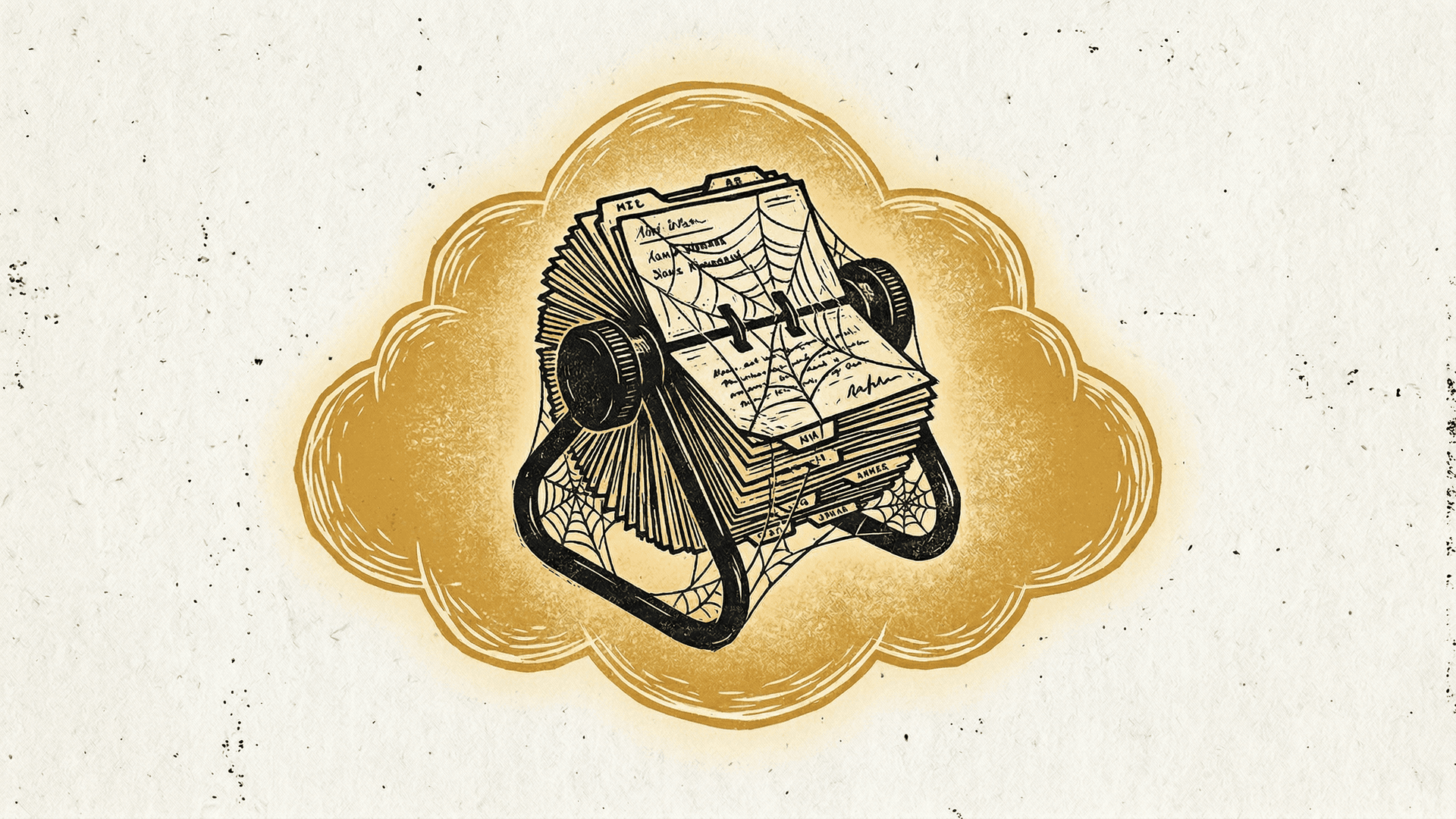
A Rolodex in the cloud. That's the $300K product.
Here's what Salesforce actually is when you strip away the marketing: it's a database with a web interface. Contacts table. Deals table. Activities table. Some relationships between them. A bunch of forms for data entry. Some charts for reporting.
That's a CRM. That's what you're paying for.
And look -- Salesforce added a lot over the years. Workflows, automation, app marketplace, AI features. The platform grew. But at its core, the thing that made it valuable in the first place -- the ability to store and manage customer data in the cloud -- is no longer hard.
It's trivially easy.
OpenAI Spins Up a CRM
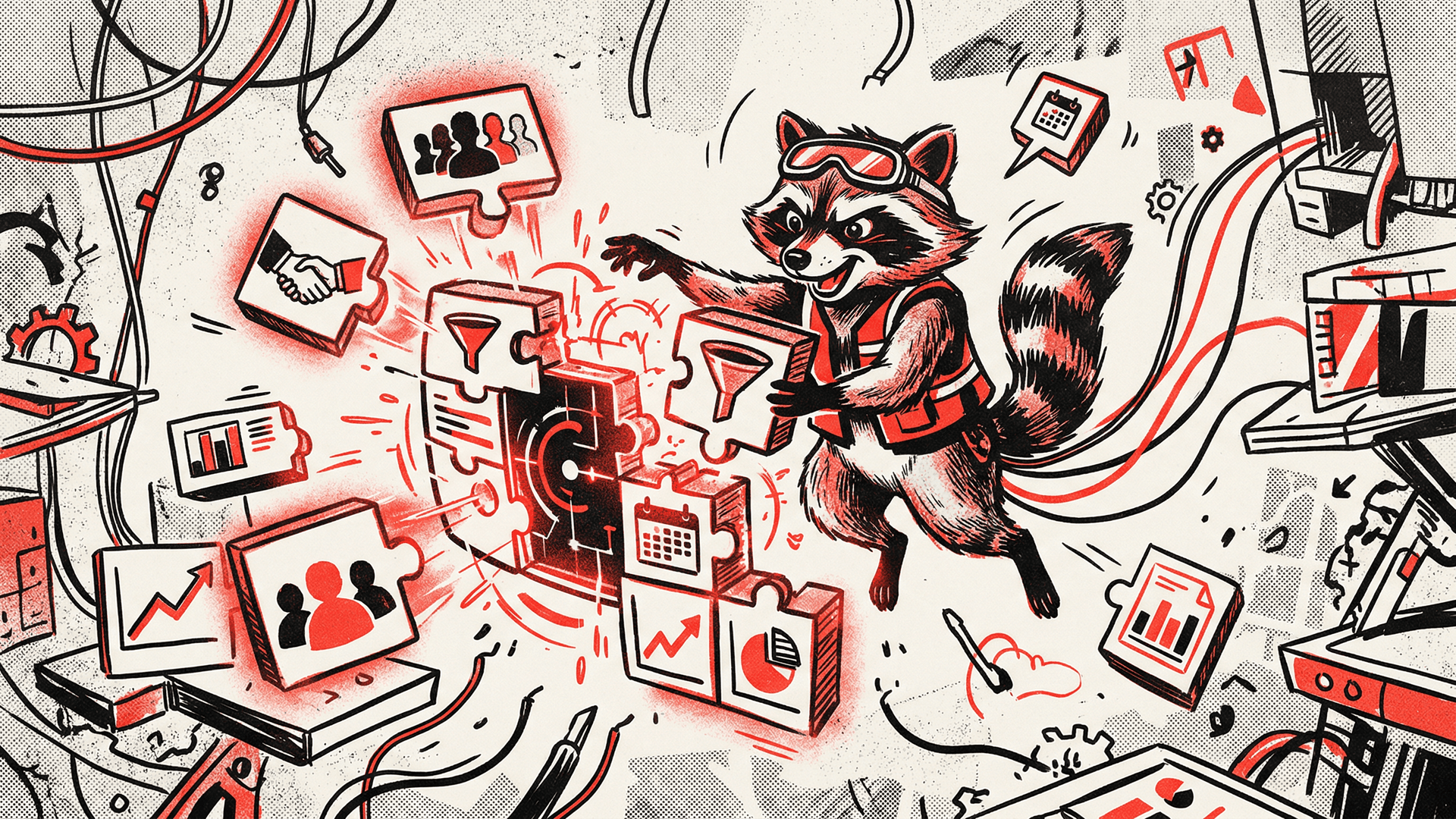
One conversation. Full CRM. No license required.
We've all seen it by now. You open ChatGPT, Claude, or any capable language model and say: "Build me a CRM."
And it does. Contacts table. Deals pipeline. Activity log. Search. Filters. Dashboard with revenue charts. User authentication. The whole thing. In one conversation.
The thing that Salesforce needed hundreds of engineers and twenty-seven years to build can now be generated from a prompt. Not a prototype. Not a mockup. A working application.
Is it Salesforce-complete? No. It doesn't have the twenty-seven years of enterprise features, the integrations marketplace, the compliance certifications. But here's the question every small business owner should be asking: do I need Salesforce-complete? Or do I need a Rolodex that works?
For 90% of small businesses, you need a Rolodex that works. And you can have one for free.
What Dies, What Thrives
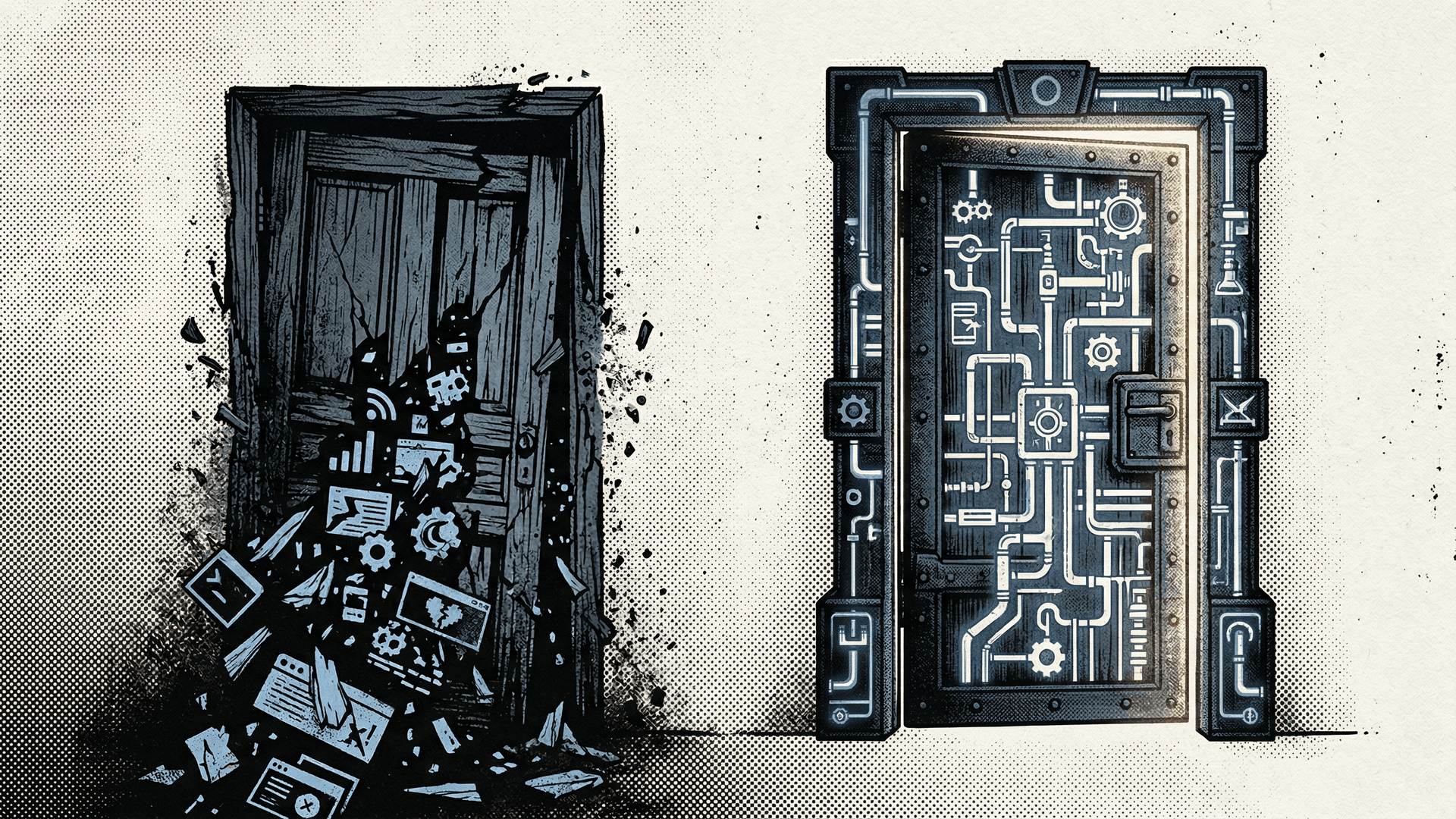
The interface layer crumbles. The infrastructure layer grows.
This is where it gets interesting. Not all SaaS dies. The ones that die are the ones whose value is in the interface. The ones that thrive are the ones whose value is in the infrastructure.
MailChimp dies. MailChimp is an email-sending interface. You drag blocks around to design an email, manage a subscriber list, and hit send. Every piece of that -- the template, the list management, the scheduling -- is trivially reproducible by AI. The value was in making it easy. AI makes it easier.
Twilio thrives. Twilio doesn't give you an interface. It gives you a pipe. It connects your application to the phone network, to SMS, to email delivery infrastructure. You can't prompt-generate a relationship with telecom carriers. You can't spin up email deliverability reputation in an afternoon. The infrastructure is the moat.
The survival test for any SaaS: ask yourself -- is the value in the interface (how I interact with it) or the infrastructure (what it connects to)? If the answer is interface, AI is coming for it. If the answer is infrastructure, it's probably safe. Stripe (payments infrastructure), Twilio (communications infrastructure), AWS (compute infrastructure) -- these survive. HubSpot (marketing interface), Asana (project management interface), MailChimp (email interface) -- these are vulnerable.
Small Businesses Build Their Own
Here's the real shift. For the first time in history, a small business owner can build custom software without hiring a developer.
Need a CRM? Generate one. Need to send marketing emails? Wire up Twilio's SendGrid API with a prompt. Need a dashboard showing your monthly revenue? Describe it and it appears. Need to manage compliance documentation? Build a tool that does exactly what you need -- not what some SaaS company decided you need.
Emails can be sent in a flash. Any dashboard can be generated at will. Your search engine optimization can be automated. Your compliance tracking can be custom-built for your specific industry.
The $300,000 Salesforce license? Replaced by a weekend project. The $500/month marketing stack? Replaced by a few API subscriptions and tools you built yourself. The expensive analytics platform? Replaced by a prompt that generates exactly the report you need, when you need it.
Software as a Service is about to become Software as a Conversation.
The reckoning is here. The question isn't whether SaaS changes. It's whether you're the one who stops paying and starts building.
Wanna learn more? Join The Vibe Jam for free.

Chris Johnston
Chris Johnston is the founder of PostScarcity AI and The Vibe Jam. Former development agency leader who managed 8 agile teams for venture-backed clients. Now teaching non-technical people to build with AI through vibe coding. Book a free Vibe Check to get started.
More About Chris Johnston